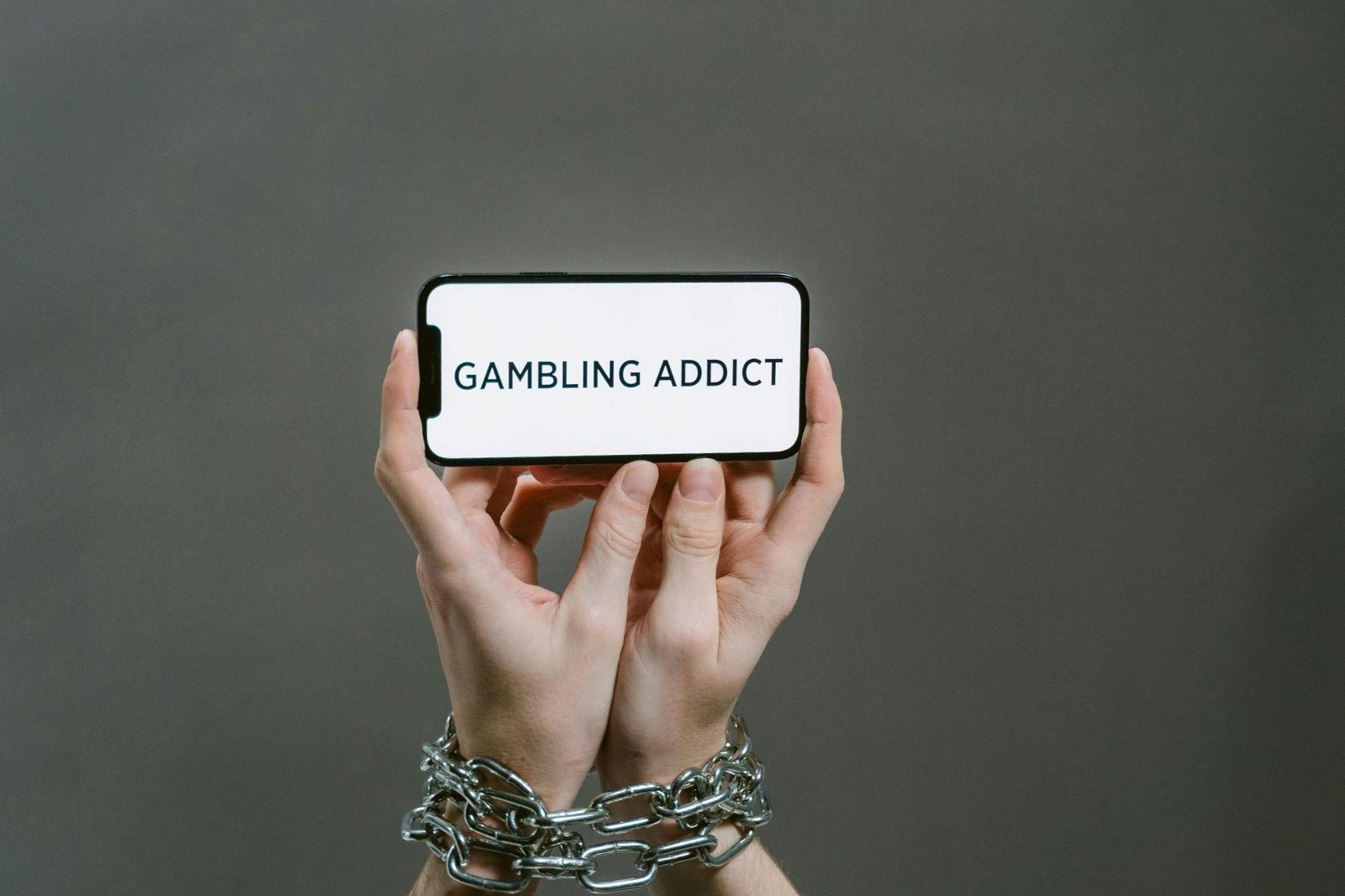
Photo by Tima Miroshnichenko
Internet gambling can be more dangerous than many people realize when they set it beside the classic casino experience. From anywhere with a screen and an internet connection, the lure to bet, spin, or wager never stops. That simple fact sets the stage for problems that go deeper and spread faster than what gamblers typically encounter on a casino floor.
What Makes Internet Gambling Different: Internet Gambling Can Be More Dangerous
When we talk about internet gambling dangers, we point to features that change how people think and behave. A shift from a social, time‑limited casino visit to a private, 24/7 digital session changes context and control. In a casino, a person enters a physical space, exchanges cash for chips, and is surrounded by other people and visible clocks. Online, there’s no lobby, no chips, and no social signals that prompt a gambler to take breaks or reflect on losses. The absence of these tactile and social limits removes natural brakes on behavior.
The phrase ‘internet gambling can be more dangerous’ matters here because it captures not just an abstract risk but the real ways that digital design and human psychology interact to escalate harm.
Ease of Access Raises the Stakes
One obvious reason why internet gambling can be more dangerous is access. People can gamble at any hour, from any device, without needing to travel or make a conscious decision to leave home. This convenience compresses barriers that once offered breaks in behavior. Research shows that online formats are available constantly and often through mobile apps, exposing gamblers to more frequent and intense play.
Access also broadens the audience. Younger users, busy professionals, and people under stress can all log on quickly, expanding exposure well beyond the typical casino crowd.
Faster Play Increases Problem Risk
On a casino floor, games are paced by dealers, players, and physical actions. Online, many games run nearly continuously with minimal pauses. That speed means people place more bets in a shorter time. Research has found that players online play more hands and wager more often than comparable gamblers in controlled environments.
Higher frequency of play and near‑instant rewards engage reinforcement loops in the brain. These loops are similar to those involved in substance addiction, and they make it harder to stop once someone gets going.
Blurring of Financial Reality
Psychologists note that moving money digitally changes how people perceive losses. Holding chips in hand makes a loss feel real. Watching a number on a screen drop from a digital balance feels abstract, and the mental pain of losing money is reduced. Studies have described how that detachment encourages risky patterns, leading to runaway losses and stress.
Online Gambling Risks Beyond the User Interface

Photo by Karolina Grabowska www.kaboompics.com
Often overlooked, the online environment itself introduces online gambling risks that casinos rarely face. A large portion of online gambling occurs on platforms that are unlicensed or lack adequate consumer protections. These sites may misrepresent odds, fail to pay winnings, or harvest personal information for misuse. Some fraud warnings emphasize that unregulated operators expose gamblers to identity theft and financial fraud.
Participation on such platforms increases harm because users think they’re in a safe environment, just like a regulated casino. The reality is that many operators avoid oversight entirely.
Psychology of Isolation and Escape
Casinos are social places with visible security, other patrons, and staff. Even when someone struggles with gambling, the environment itself creates checkpoints. Online gambling, by contrast, is a private activity. People gamble alone, at odd hours, often late at night or during stress. That isolation can worsen compulsive behavior and hide the problem from friends and family.
Repeated engagement in online wagering has been linked with higher risk patterns and co‑occurring behaviors like alcohol or drug use. These associations reflect how online gambling ties into broader patterns of risky behavior when someone uses it to cope or escape.
Research on Gambling Behavior Patterns
Many studies have compared gambling behavior across modes. Some research suggests that people who gamble online show higher severity scores on problem gambling tests compared to those who gamble only offline. For example, problem gambling prevalence is often higher among people who use internet gambling than among those who do not, even after accounting for typical demographic factors.
Other studies show complex relationships. It’s not always clear whether online gambling itself causes addiction or whether people with existing problems are simply drawn to the online format. Yet the overall pattern remains: heavy involvement in internet gambling aligns with higher risks of harm.
Technology and Personalization
Let’s peep into it deeper on why internet gambling can be more dangerous. Online gambling platforms today use sophisticated tracking and personalization. Algorithms monitor user behavior and can tailor offers that keep players engaged longer. These are not random features; they are designed to maximize play and revenue, sometimes at the expense of users’ financial and psychological well-being.
Behavioral science shows that personalized offers and reminders exploit cognitive biases that weaken self‑control. While land‑based casinos use loyalty programs and comps, the digital environment amplifies these techniques with push notifications, email offers, and instant access.
Online Casino Addiction: A Growing Concern
Since gambling moved online, addiction patterns have changed. The term online casino addiction captures a form of gambling disorder that is marked by continuous play, hidden behavior, and deep financial impact. Studies report that a significant majority of problem gamblers worldwide engage in online gambling. In one global survey, 81 percent of problem gamblers reported online participation, while only 14 percent gambled exclusively in land‑based casinos.
That stark number points to how pervasive online formats have become and how they may intensify problems.
What Responsible Play Looks Like
Understanding the mechanics of internet gambling and its risks is critical. Unlike a scheduled casino visit, online play lacks natural endpoints. Players don’t have to leave a building, see the daylight, or hand over chips that remind them of losses. Setting hard limits on time and money before logging in becomes essential.
Even with these precautions, the digital format means temptations are immediate. Many jurisdictions now require built‑in safeguards, like deposit limits, self‑exclusion options, and reality checks. These tools address problems after they start, not before the harm takes root.
Broader Social Impact and Vulnerable Groups
Young people and individuals with underlying mental health issues are particularly vulnerable. Adolescents show higher rates of problem severity in online gambling surveys compared to peers who gamble only offline.
In the digital age, where screens dominate work, leisure, and social life, gambling seamlessly integrates into daily routines. That normalization makes detection and intervention harder.
Real Stories, Real Consequences
Public reporting also highlights the human toll of online predatory gambling sites. Cases have surfaced where individuals struggled with addiction that began online and ended in tragedy, including loss of life linked to predatory offshore betting sites that lack effective self‑exclusion barriers.
These stories are stark reminders that beyond the numbers are real people facing catastrophic harm.
Where to Learn More and Take Action
Books and research help put these patterns into context. For deeper insight into how gambling morphs into addiction, why internet gambling can be more dangerous than ever, and the mechanisms at play inside the gambling world, readers should consider impactful works like The Casino Down The Street by Matt Shea. Shea spent three years inside casinos and experienced addiction firsthand before finding a way out through spiritual intervention. He then documented how casinos operate, the psychology of different types of gamblers, and why certain groups are especially targeted, including older adults during their “golden years.”
This book blends personal narrative with analytical detail. It asks how casinos work, whether they intentionally hook patrons, and how someone can know if they are addicted. For anyone seeking a clear, grounded view of gambling problems that springs from lived experience as well as observation, The Casino Down The Street offers both caution and clarity. Grab a copy today!
Conclusion: Internet Gambling Can Be More Dangerous
Understanding why internet gambling can be more dangerous than physical casinos helps clarify risk and inform choices. The differences are not superficial. They involve accessibility, psychological design, reinforcement schedules, and a digital environment that amplifies risk. People need clear information to protect themselves and others in a context where screens are everywhere, and temptation is always just a tap away.
If you or someone you know struggles with gambling, seek support early and take advantage of tools that promote safe, controlled play.