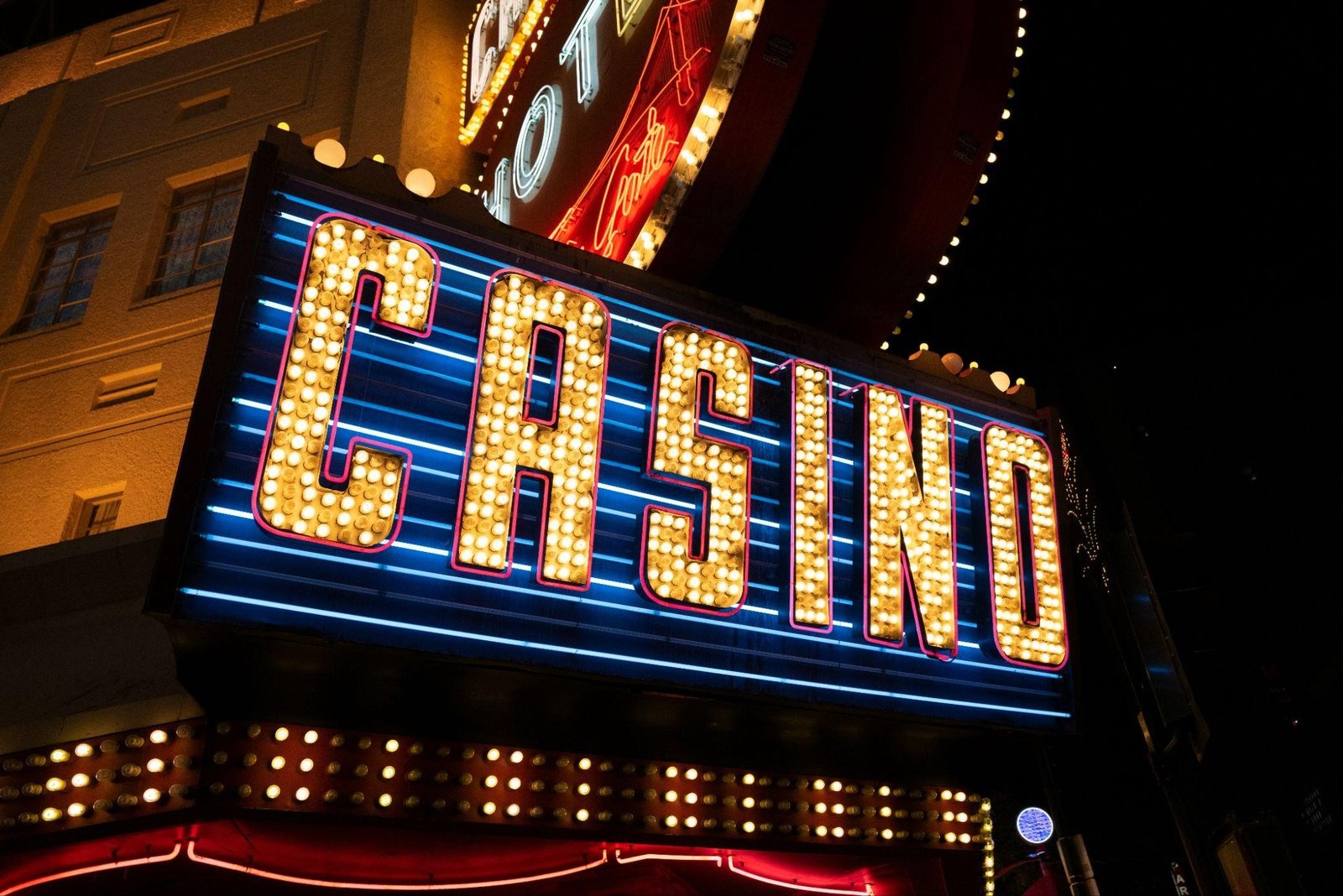
Photo by Ryan Grewell on Unsplash
The hidden dangers of casinos appear in subtle ways long before any money changes hands. Bright lights pull attention in without effort. Friendly staff set an inviting tone. Music, comfort, and color work together to soften judgment. Once the curtain lifts, the hidden dangers of casinos reveal how carefully designed these environments are.
1. A Polished Experience Built to Shape Decisions
Every visitor walks in expecting entertainment. That expectation gives casino dangers an early advantage. Soft seats, warm lighting, and constant motion create a sense of ease. The hidden dangers of casinos grow stronger when the mind relaxes. People trust the atmosphere more than their instincts. After a few minutes, the building takes the lead.
2. A System That Watches, Learns, and Adjusts
Casinos do not guess what guests want. They track it. Sensors study movement and cameras study behavior. Staff members respond to hesitation with perfect timing. Drinks arrive when attention dips. A casual conversation begins when a player stands up.
These methods make the hidden dangers of casinos more effective. The space adapts to each person’s habits. This structure allows every game to hold attention longer than planned. In that same process, patterns form around how a person who gambles or bets responds to sound and pace.
Anyone who wants to learn more about casino dangers uncovers constant behavioral engineering in action. This is the unseen machinery beneath the glamour.
3. The Strange Pull of Losing
Winning feels electric while losing feels temporary. That emotional loop drives more play than any jackpot ever could. The hidden dangers of casinos depend on this rhythm. The moment a win lands, excitement restores confidence. After a loss, anticipation rises. A gambler feels one step away from balance again.
This structure explains why small wins keep guests seated. Those wins come at the exact time needed to hold interest. The hidden dangers of casinos hide in the illusion of being close to a comeback.
4. The Stress Few People Notice
Casino environments appear calm on the surface. Underneath, heart rates climb, shoulders tense, and focus narrows. Noise levels remain steady, never silent, and colors stay bright as ever. Screens flash at a pace that prevents complete rest.
This is where the hidden dangers of casinos create long-term strain. Even after leaving, the mind feels restless and unsettled. Sleep becomes shallow, as well as concentration drops. These are the early effects of casino dangers that many overlook.
5. Emotional Distress Behind the Scenes
Money loss is uncomfortable. Emotional loss cuts deeper.
Many players hide receipts, avoid discussions, and downplay the truth. Shame builds that way. The hidden dangers of casinos flourish under secrecy.
Silence grows, isolation begins, and trust shifts. Because of this pattern, the damage settles in through avoidance and guilt. Loved ones sense the change long before the player admits it.
6. How Relationships Absorb the Impact
Plans get canceled and… conversations grow tense. Small mood shifts become frequent, leaving family members wondering where the time went and why once-reliable routines have vanished. The hidden dangers of casinos extend far beyond and quietly shape the rhythm and atmosphere of a household.
Distance begins to form when honesty fades. That distance widens when money disappears without explanation. The impact of gambling rarely rests on one person alone; its emotional weight radiates outward, touching everyone in the home. Relationships strain under unspoken questions, trust weakens, and a subtle tension settles into daily life.
Even small habits like an extra hour at the casino, a missed dinner, a forgotten errand, can ripple outward, gradually reshaping how family members connect and support each other. The hidden dangers of casinos are not just about financial loss; they are about the slow erosion of closeness, the quiet reshaping of a household’s emotional landscape, and the way absence and secrecy can grow into lasting patterns.
7. Identity Slips Without Notice
A simple, casual visit can slowly grow into a routine. That routine can shift into a need. Over time, this need begins to reshape how a person sees themselves. The hidden dangers of casinos are most effective when a visitor’s sense of control starts to weaken.
Gradually, a player begins to think like a gambler rather than a casual guest. Hope moves away from daily life and focuses instead on the next spin, the next hand, or the next deal. Confidence becomes tied not to skill or choice, but to luck and chance. This subtle transformation is one of the most overlooked hidden dangers of casinos, because it happens quietly, almost naturally, until it has already changed the way a person approaches the world.
For those wanting reliable research on gambling psychology, the National Center for Responsible Gaming provides credible information at https://www.icrg.org.

Photo by Michał Parzuchowski on Unsplash
Why Older Adults Become High-Value Targets
Senior citizens often seek companionship, routine, or distraction. Casinos recognize this. A warm room, a friendly dealer, and a predictable environment create comfort. The hidden dangers of casinos become harder to spot when the atmosphere feels safe.
People on fixed incomes face greater risk. Losing money affects stability quickly. Yet casinos promote senior deals, free rides, and special hours that encourage frequent visits. The design makes long stays feel pleasant and harmless, when in reality, the hidden dangers of casinos intensify over time.
The Hidden Dangers of Casinos: Time Becomes the Biggest Loss
Money can be earned again, but time cannot. Long sessions erase hours that could have gone toward relationships, hobbies, or rest. The more often this cycle repeats, the more life shrinks around the casino schedule.
This is where the hidden dangers of casinos deliver their most lasting consequences. They affect priorities, energy, and the way days are structured. A single habit can reshape an entire routine.
Understanding the Architecture of Control
Every path inside a casino guides movement toward games. Narrow hallways open into bright areas. Slow music plays near slot machines. Faster music plays near the table games. Even the carpet patterns push attention forward.
These elements reveal one more layer of the hidden dangers of casinos. Design choices steer behavior without force or instruction. A player feels independent while following a controlled environment.
A Story That Shows What Happens Behind the Bright Lights
For anyone seeking a clear, relatable, and honest look at real gambling experiences, The Casino Down the Street by Matt Shea offers valuable guidance. The story comes from a three-year personal study of casinos and addiction. The author entered the gambling world despite warnings from his father and soon faced the reality of falling into the hole of addiction. Spiritual intervention helped him regain control, and those lessons shaped the book.
The narrative explains how a casino functions, the types of gamblers, how to recognize addiction, and the ways casinos keep patrons hooked. It also explores why older adults become targeted and how these businesses build loyalty through emotional design. The journey helps readers understand the hidden dangers of casinos from someone who lived through them. A
Anyone searching for practical insight or clarity about gambling risks will find this book worth reading. Consider picking up a copy and learning from a story grounded in truth and hard-earned wisdom.