Casinos help or harm the economy depending on where the lens rests, because the same casino that creates jobs and tax revenue can also drain household savings and redirect local spending.
The debate often begins with numbers rather than nuance, and early arguments about the economic impact of casinos tend to frame the issue as a clear win or loss. That framing skips the complicated middle. Casinos promise growth, attract visitors, and generate public revenue, yet they also reshape spending habits, influence labor markets, and introduce risks that ripple far beyond the gaming floor. Any serious discussion about whether casinos help or harm the economy has to examine both sides at once, without hype and without denial.
Jobs, Wages, and the First Economic Lift
Supporters often point to employment as the strongest benefit. Casinos hire dealers, security staff, food workers, custodial teams, managers, and technicians, while construction brings short-term labor into local markets. In areas with limited industry, these jobs feel significant, and they fuel the claim that casinos help or harm the economy in a positive way, especially at the start.
Yet job quality matters as much as job quantity. Many casino roles pay modest wages, rely on shift work, and offer limited advancement. Turnover remains high, and income stability often depends on tips. Employment exists, but durability remains uncertain, and that tension sits at the center of the question, do casinos help or harm the economy once the initial surge fades.
Tax Revenue and the Substitution Problem
Governments frequently support casino development because of tax income and licensing fees. These funds often support schools, infrastructure, and public programs, and on paper, the numbers look convincing.
The issue lies in substitution. Local residents often spend gambling money they once used elsewhere, shifting dollars from neighborhood businesses to casino floors. The tax base does not always grow, it rearranges itself. When analysts examine whether casinos help or harm the economy, this redirection matters more than gross revenue totals.
For a broader context on how governments evaluate economic growth and public tradeoffs, the World Bank’s development indicators provide useful grounding when assessing long-term outcomes.
Tourism, Growth That Depends on Place
Casinos attract visitors, especially in established tourist destinations. Resort models tied to conventions, shows, and hotels amplify travel spending, and in cities built for tourism, casinos strengthen existing demand.
In smaller regions, the effect narrows. Visitors arrive, gamble, eat inside the casino, and leave. Local businesses see little spillover. Tourism alone does not resolve whether casinos help or harm the economy, because location, scale, and surrounding infrastructure decide how much benefit sticks.
When One Industry Crowds Out Others

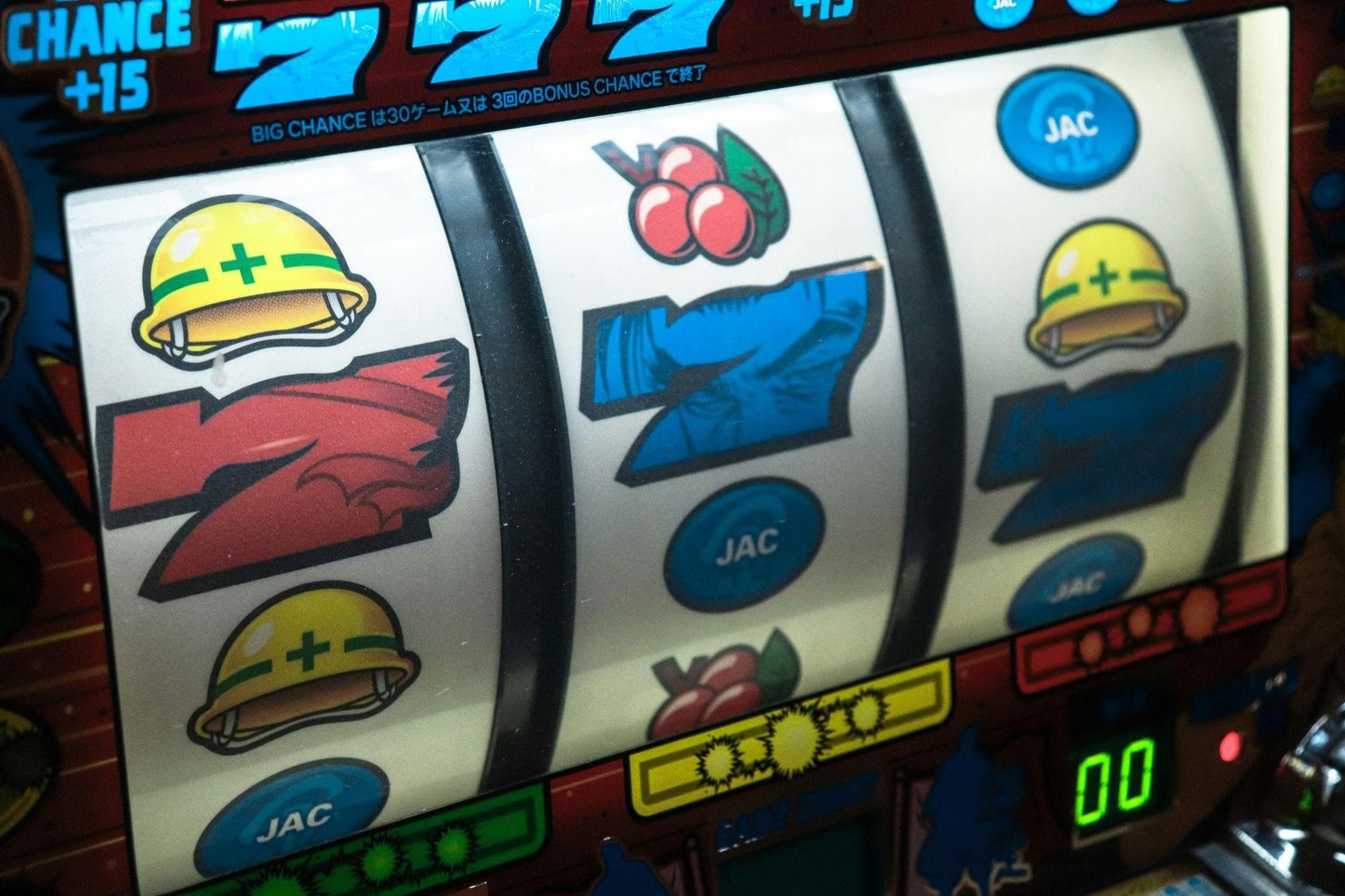
Photo by Popelier Jens on Unsplash
Healthy economies rely on diversity. When a casino dominates local investment, other development slows. Small retailers struggle, entrepreneurship thins, and economic identity narrows. Casinos are designed to keep customers inside, and that design reshapes entire districts.
This crowding effect complicates claims that casinos help or harm the economy over the long run. Regions tied too closely to a single attraction become fragile, especially when regulation changes or tourism declines.
Household Budgets and Financial Pressure
Casinos do not create new money, they redistribute it. For many people, gambling remains entertainment. For others, losses escalate and spill into daily life. Rent money, grocery funds, and savings accounts slide toward games built on mathematical advantage.
Here, the debate shifts from revenue to reality. The social costs of gambling include debt, family stress, reduced productivity, and increased demand for social services. These effects rarely appear in promotional reports, yet they shape healthcare systems, workplaces, and communities. Any honest look at whether casinos help or harm the economy has to count these pressures.
Crime, Policing, and Public Cost
Data on crime remains mixed, but many casino regions report increases in financial crime, substance-related offenses, and policing needs. Law enforcement adapts, courts handle heavier caseloads, and public services absorb additional strain.
If casino tax revenue fails to offset these costs, the economic benefit weakens. Growth becomes a reshuffle rather than a gain, adding another layer to the question of whether casinos help or harm the economy.
Who Keeps the Profits
Large casino operators run efficient extraction models. Profits often leave the region through corporate channels, while local ownership stays limited. Jobs remain local, capital does not.
When analysts evaluate the casino economic impact, they track where money settles after operating costs are cleared. If wealth exists faster than it circulates, growth loses depth, reinforcing doubts about whether casinos help or harm the economy beyond surface metrics.
Design, Psychology, and Repeat Play
Casinos rely on precision. Lighting, sound, layout, and reward timing guide behavior. Games encourage longer play, losses feel delayed, and wins feel personal. The system depends on repetition.
This matters when weighing whether casinos help or harm the economy, because profitability rests on sustained engagement, not casual visits. That reliance increases risk for vulnerable groups, particularly older adults and those on fixed incomes.
Seniors, Time, and Fixed Income Risk
Retirees represent a key demographic. They have time, steady checks, and social needs, and casinos offer comfort, routine, and perceived safety. The phrase golden years becomes literal on the casino floor.
Losses, however, hit harder on fixed incomes. Recovery options shrink, reliance on family or public services grows, and financial strain deepens. This reality sharpens the question, do casinos help or harm the economy when benefits lean on those least able to absorb loss.
Regulation Helps, But It Does Not Erase Risk
Regulation reduces damage. Advertising limits, self-exclusion programs, and funding for treatment help manage harm. Transparency improves trust.
Still, regulation never removes risk entirely. It shapes outcomes but does not rewrite the business model. Oversight changes the curve, not the question, and the debate over whether casinos help or harm the economy remains unresolved.
Long-Term Regional Patterns
Over time, casino regions show mixed results. Some stabilize through diversification and strict oversight. Others stagnate as dependency grows. Planning determines outcomes more than promises.
Economic health depends on resilience, and single-stream revenue rarely provides it. The longer view suggests that casinos help or harm the economy based on how tightly they are woven into broader development strategies.
The Human Cost Behind the Numbers
Data explains trends, stories explain impact. Matt Shea’s book, The Casino Down The Street, grounds this discussion in lived experience. Through a three-year personal study, he shows how addiction unfolds, how casinos operate internally, and how easily control slips. He explores how a casino ticks, the types of gamblers, how to recognize addiction, whether casinos encourage dependency, and why retirees attract focused attention.
His recovery gives the analysis weight and reminds readers that economic outcomes always trace back to individual lives. For those who want a deeper understanding of the real stakes behind the question of whether casinos help or harm the economy, The Casino Down The Street offers clarity without spectacle, and insight rooted in truth. Grab your own copy today.
So, Do Casinos Help or Harm the Economy?
Casinos generate jobs and revenue, yet they also redirect spending, concentrate profit, and increase social strain. Outcomes shift by location, regulation, and planning. Communities that diversify and limit exposure reduce harm. Those chasing quick revenue absorb long-term costs.
In the end, the question of whether casinos help or harm the economy lives between spreadsheets and stories, and understanding both is the only way to see the full picture.