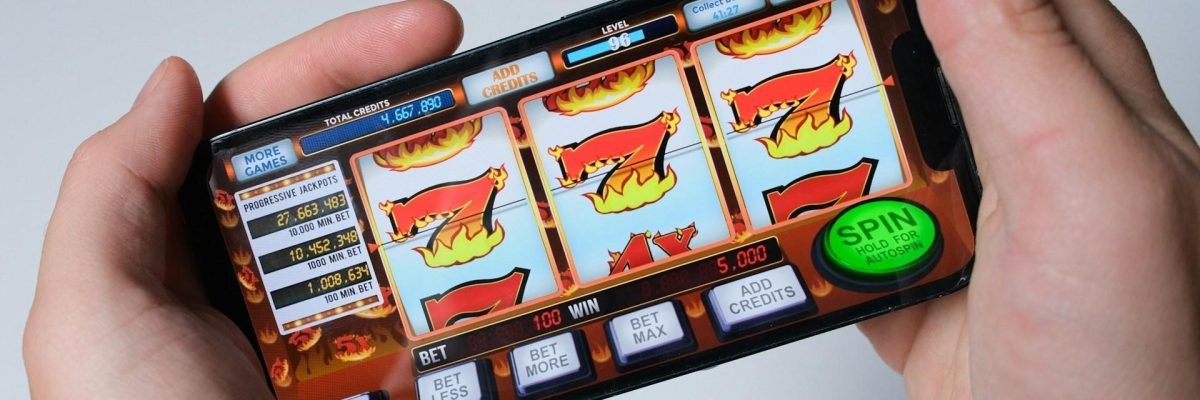
Photo by Niek Doup on Unsplash
The dangers of online casinos often hide behind convenience, speed, and familiarity, a quick login during quiet hours, a wager placed between daily tasks, a system that feels harmless because it fits so easily into modern life. As psychologist B.F. Skinner once noted, “A behavior followed by a rewarding consequence is more likely to be repeated,” and online gambling platforms apply this principle with surgical precision.
The dangers of online casinos move beyond money once psychology enters the picture, because digital gambling reshapes attention, emotion, and decision making long before losses show up on a bank statement. Unlike physical casinos, online platforms remove effort, social awareness, and natural stopping points, creating an environment where risk integrates into routine and control feels stronger than it truly is.
Why Online Gambling Feels Different From the Start
Online casinos operate inside everyday spaces. They exist on phones, tablets, and laptops, tools people already associate with comfort and routine. This setting lowers resistance. The brain treats gambling less like a special event and more like background activity.
That normalization increases the dangers of online casinos, because behavior merges into daily life. A person does not prepare to gamble or set limits in advance. The game appears instantly, with no physical cues signaling risk.
How Game Design Shapes Behavior
Online casino platforms rely on behavioral reinforcement. Most games follow variable reward schedules, where outcomes remain unpredictable. Psychology research shows this pattern produces strong habit formation. The brain releases dopamine when rewards feel uncertain yet possible.
This design choice increases the dangers of online casinos, especially when near wins appear. Near wins activate the same reward circuits as actual wins, even though no money changes hands. The brain reads progress where none exists.
Speed Changes Decision Making
Online gambling moves fast. Bets place in seconds, and results appear immediately. There is little time to reflect or reset. Rapid cycles push emotional decision-making over rational thought.
The dangers of online casinos grow as speed increases. Losses feel easier to chase because the next chance arrives instantly. Research in cognitive psychology confirms that faster reward loops weaken impulse control.
Money Feels Less Real on a Screen
Digital money lacks physical weight. Credits, chips, and balances replace cash. This abstraction reduces emotional impact, which leads to higher spending.
The dangers of online casinos intensify when money loses context. Players focus on gameplay rather than cost. Losses accumulate quietly until financial strain becomes unavoidable.
When Risk Becomes Routine
At this point, gambling harm often stops feeling dramatic and starts feeling normal. Patterns settle in quietly. What looks like choice from the outside often reflects conditioning on the inside. Breaking these risks down makes the mechanics easier to see, especially before damage becomes irreversible.
The Dangers of Online Casinos, Broken Down Clearly
Understanding harm works best when each risk stands on its own. These issues rarely appear all at once. They build through design, repetition, and emotional reinforcement.
1. Unlimited Access Removes Natural Stopping Points
2. Rapid Betting Speeds Override Rational Thought
3. Digital Money Disconnects Spending From Reality
4. Near Wins Encourage Continued Play
5. Isolation Eliminates External Feedback
6. Emotional Escape Replaces Healthy Coping
7. Loss Chasing Becomes Normalized
8. Financial Harm Appears Suddenly, Not Gradually
9. Mental Health Declines Under the Surface
10. Recovery Requires More Than Willpower
The Illusion of Skill Keeps Players Engaged
Many online casino games present data, progress bars, and strategy cues. These features suggest mastery. In reality, most outcomes depend entirely on random number generators.
This illusion increases the dangers of online casinos, because players believe effort influences results. Cognitive bias research shows people overestimate control in random systems, especially after small wins.
Emotional Regulation Becomes the Hidden Driver
Many players turn to online gambling to escape stress, boredom, or loneliness. The platform offers distraction and stimulation, not resolution.
This pattern deepens the dangers of online casinos, because gambling shifts from entertainment to emotional regulation. When gambling becomes a coping strategy, stopping feels harder, not easier.
Mental Health Consequences Build Gradually
Gambling disorder appears in the DSM 5 as a behavioral addiction. It shares traits with substance use disorders, including tolerance, withdrawal, and impaired control.
The dangers of online casinos include rising anxiety, disrupted sleep, irritability, and depressive symptoms. These effects worsen as gambling sessions lengthen and losses increase.
Understanding the Pattern of Addiction

Photo by JESHOOTS.COM on Unsplash
Clinicians describe the phases of gambling addiction as a predictable sequence. Early stages bring excitement and optimism. The middle stages introduce secrecy and loss chasing. Later stages involve emotional distress and functional damage.
Recognizing this progression explains why the dangers of online casinos often go unnoticed at first. Harm develops slowly, reinforced by habit and denial.
Family and Relationship Fallout
Gambling harm rarely stays contained. Financial strain, secrecy, and emotional withdrawal affect partners and families.
The dangers of online casinos include broken trust and long-term stress within households. Family systems research shows these effects persist even after gambling stops, because recovery involves more than finances.
Younger Adults Face Higher Exposure
Younger users grew up with digital games, loot boxes, and in-app purchases. These mechanics resemble gambling structures.
This familiarity raises the dangers of online casinos, especially among young adults with higher impulsivity and reward sensitivity. Early exposure increases lifetime risk.
Gambling Risks Explained
When gambling dangers explained clearly, certain patterns emerge. Risk rises with speed, isolation, reward unpredictability, and emotional escape.
The online gambling risks tied to digital platforms combine all four elements. This structure explains higher rates of harm compared to many physical gambling settings.
Viewing Gambling as a Public Health Issue
The World Health Organization recognizes gambling disorder as a diagnosable condition, not a moral failure. A public health lens shifts focus toward prevention and education.
This approach reframes the dangers of online casinos as a systemic issue, not an individual flaw. Early awareness reduces long-term harm.
A detailed overview of gambling disorder and behavioral addiction appears on the World Health Organization’s official site: https://www.who.int.
Why Awareness Changes Outcomes
Education changes behavior. People who understand risk set limits earlier, track spending more carefully, and seek help sooner.
Awareness reduces the dangers of online casinos by breaking the illusion of control. Knowledge interrupts habit before losses escalate.
The Dangers of Online Casinos: A Story That Reflects Real Life
Image from Matt Shea
Statistics explain scope, but stories explain impact. The Casino Down The Street by Matt Shea examines how easy access reshapes daily routines, relationships, and self-perception.
The book reflects the psychological realities behind the dangers of online casinos, showing how ordinary choices evolve into patterns that feel difficult to escape. Readers seeking a grounded, human look at gambling harm will find clarity in Shea’s narrative.
Grab a copy today!